
Phu Quoc Stay suggests viewing Duong Dong Market as part of the island's working life, not only a place to buy seafood. A useful visit begins by deciding whether you want to observe, shop for a meal or choose gifts. Each purpose calls for different bags, questions and transport arrangements. Understanding that distinction makes it easier to read selling units clearly and avoid buying more than you can reasonably store, cook or carry during a holiday.
Decide what you intend to buy and confirm storage arrangements before visiting the market. For seafood, clarify whether pricing is by weight or portion, which weight is charged and whether preparation has a separate cost. Bring suitable bags, keep working paths clear and plan a direct return for your purchases. Shopping should fit a meal you can actually prepare rather than an uncertain series of activities afterwards.
Choose the purpose before choosing products
A visitor interested in everyday market life does not need a full shopping bag to make the visit worthwhile. A short circuit, observation of different stalls and a few considerate questions can be enough. If shopping for a meal, note the number of diners, the intended dishes and what you already have. If choosing gifts, prioritise understandable product details and packaging. These are separate purposes. Keeping them distinct prevents the common situation where every individual item looks appealing but the final collection does not form a usable meal or fit the luggage you will take home.
Clarify the selling unit and the weight being charged
A price per item, per serving and per unit of weight cannot be compared as if they describe the same purchase. Before choosing, clarify the product, selling unit and weighing arrangement. If requesting preparation, agree what work will be done and whether it introduces an additional charge. Repeat the purchase and total with the seller before completing it. An old number from a travel post may concern a different size or product, so it is not a reliable basis for comparison. The useful outcome is a clear understanding of the specific goods you are buying and the final amount for that purchase.

Shop for the kitchen and storage you actually have
Before buying fresh ingredients, establish whether cooking is permitted, what refrigeration is available and which utensils are actually supplied. An attractive kitchen photograph does not confirm pots, knives, boards or waste arrangements. If these conditions remain unclear, a prepared meal or a smaller, appropriate purchase may be more practical than buying first and solving the problem later. Use a short shared list and divide responsibilities so several people do not buy the same ingredient independently. Keep the return journey simple. Purchases intended for a meal should not become luggage for an undefined sequence of sightseeing stops during the rest of the day.
Be considerate in a working environment
The market is a place where people buy, sell and move goods, so giving way matters more than holding a position for a photograph. Ask before taking a close picture of a person or a stall's activity. Keep belongings close, avoid resting them on merchandise and do not handle products without agreement. Groups should leave a clear route rather than standing across the full passage. A brief question at an appropriate moment is easier to answer than a long conversation while the seller is serving someone else. You can learn a great deal by watching without turning every working moment into a photograph.
- List the intended dishes and quantities before visiting.
- Confirm selling units, charged weight and preparation costs.
- Leave paths clear and ask before photographing people.
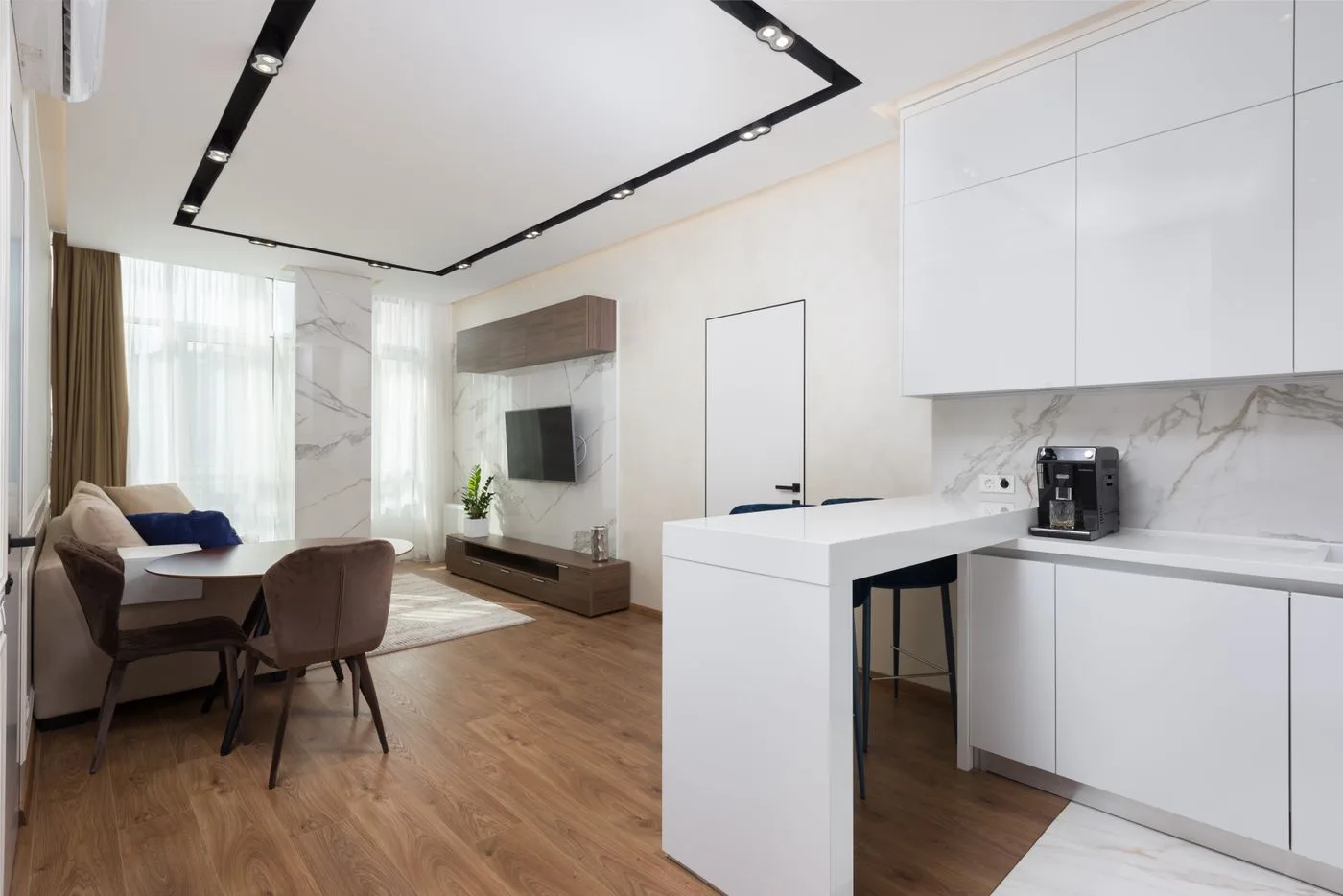
Use the visit to understand your everyday accommodation needs
A market visit may reveal whether you enjoy self-catering or would rather protect more holiday time for rest. That preference helps when comparing layouts and facilities, but an actual rental still requires a confirmed address and house rules. Phu Quoc Stay is connecting with homeowners and does not accept guest booking requests. Its sample spaces illustrate daily living ideas without confirming an operating kitchen, included services or availability. When verified homes become available, discuss shopping, cooking and waste arrangements for the particular property. A general apartment category is a starting point for questions, not proof that every practical facility is supplied.
Frequently asked questions
Can an old photograph establish the current price?
No. Products, sizes, selling units and dates differ. Ask for the total for your specific choice at the time of purchase.
Does a kitchen photograph mean any cooking is allowed?
No. Confirm equipment, utensils, cooking rules and waste arrangements for the actual accommodation before bringing ingredients back.
Is a visit worthwhile without buying anything?
A short observation visit can be worthwhile when it respects trading activity, keeps paths clear and asks before close-up photographs.
A practical market visit begins with a real need and ends with purchases you understand. Buy manageable quantities, ask clear questions about units and let the remaining time belong to the holiday rather than dealing with an oversized shopping bag.
Compare your itinerary with the accommodation area of Duong Dong. You can also explore Phu Quoc apartment layouts to picture the everyday rhythm of a trip.
Visit Phu Quoc — Chợ Dương ĐôngVisit Phu Quoc — Duong Dong Market
Practical guidance prepared by Phu Quoc Stay; calendar and expense examples are illustrative. External sources describe their own services or information and do not establish Phu Quoc Stay policies.
Facilities, prices and usage conditions must be confirmed for the specific property and dates. Interior photographs are illustrative.