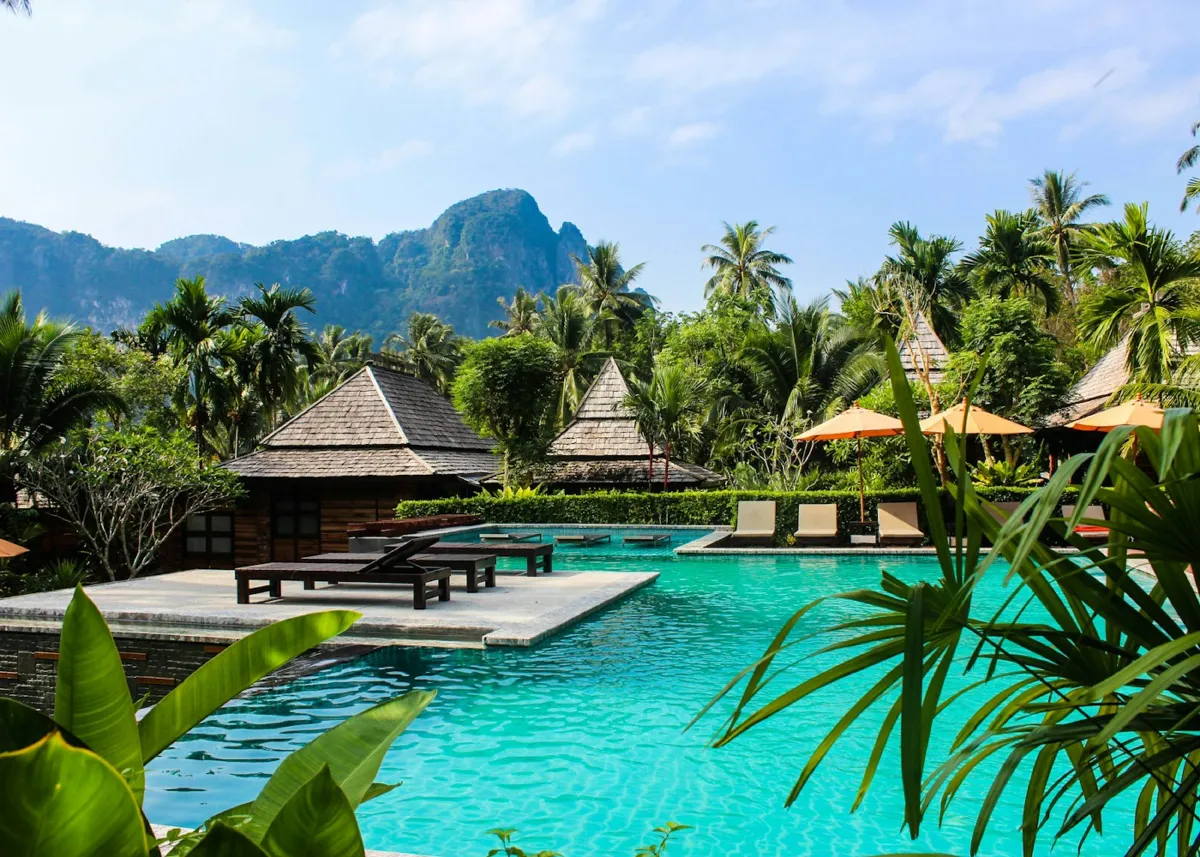
An attractive gallery can mix the home itself, shared building areas and destination scenery. Those pictures answer different questions. Phu Quoc Stay suggests reading each photograph according to the space it actually shows, then asking about unclear details. Appearing in the same gallery does not automatically give every image the same relationship to the accommodation being discussed.
Quick answer: Ask where each important photograph was taken, whether it represents the exact accommodation and what access is included. A pool or beach photograph does not establish a private facility, a sea view from the room or complimentary use. Check the accompanying description and the confirmed arrangement.
Sort the gallery into three groups
- Identify private interiors, shared areas and destination scenery.
- Ask whether images show a category or the exact home supplied.
- Confirm facility access and practical details that photographs alone cannot establish.
Interior pictures can show bedrooms, a living room, kitchen, bathroom or balcony inside the accommodation. Building pictures may show reception, corridors, lifts or the exterior. Facility and destination pictures might show a pool, attraction or beach. Label these groups mentally before drawing conclusions. This helps prevent a feature of a shared development from being mistaken for something inside the private space you will receive.
If captions are missing, refer to a particular photograph in your question. “Which area contains this pool, and under what conditions can guests of this home use it?” is easier to answer than asking whether all amenities are available. An album can illustrate the surrounding experience without promising unrestricted use of everything pictured. The useful answer identifies both the place and the terms of access.
Check whether pictures identify the exact home
Ask whether the gallery shows the current condition of a specific home or represents a room category. Where several homes have similar designs, request a clear description of the actual option. This matters when bed positions, windows or the relationship between rooms affects your party. Homes sharing a category name can still have differences that a representative photograph does not resolve.
A sequence from entrance to living space, bedrooms and bathroom can make the layout easier to understand. You are looking for the relationship between spaces, rather than demanding a photograph of every corner. A short walkthrough may also help if the provider offers one and confirms what it represents. Keep the reference connected to the option being quoted so it is not confused with another home.
Notice perspective and unanswered questions
A wide-angle picture can fit more furniture into the frame while making size difficult to judge. If passage space or furniture placement matters, request direct information instead of measuring by eye. Avoid deciding that a room is large or small solely from one camera angle. Edited colour also cannot establish the amount of natural light you will experience throughout a particular stay.
Photographs do not establish whether equipment works, how much noise you will hear or when windows can be opened. Turn a practical need into a specific question: which room contains the desk, whether the bedroom door closes separately or how the balcony may be used. Focusing on details that affect your trip makes the discussion more useful than a long list of speculative concerns.

Separate beach scenery from a room view
A beach picture may simply introduce Phu Quoc. If the view matters, ask where a photograph was taken within the actual accommodation. If beach access matters, ask about the real route and entrance arrangements. Do not estimate travel distance from the image. For a shared facility, check applicable hours and conditions for your dates rather than relying on the presence of a photograph alone.
Facility use may involve registration, building rules or another operator. If it is a central reason for choosing the stay, ask for the relevant information in the confirmation. Compare this with what the accommodation quote includes. That separates a feature mentioned in the description from a service actually included in the arrangement you are considering.
Use pictures as references at arrival
Keep a short list of the details that influenced your decision, such as the supplied sleeping arrangement or access to a named area. Ask the provider to confirm those details in words. This gives both sides a clearer reference than a large folder of attractive images, particularly when several similar options have been discussed in the same conversation before one is finally chosen.
Save the confirmed description and relevant images for comparison on arrival. Report an important difference promptly using a current photograph and a specific explanation. Focus on meaningful issues such as supplied beds or accessible rooms rather than minor decorative changes. The arrival room checklist helps prioritise the practical handover while giving the provider a clear chance to respond.
This website labels interior images as illustrative because they do not currently represent an operating inventory of actual homes. Apply the same habit elsewhere: read captions and written descriptions alongside photographs. A useful gallery should help you understand what is being offered, identify questions that remain open and avoid building expectations around details the pictures cannot actually establish.
Practical guidance prepared by Phu Quoc Stay; calendar and expense examples are illustrative. External sources describe their own services or information and do not establish Phu Quoc Stay policies.
Facilities, prices and usage conditions must be confirmed for the specific property and dates. Interior photographs are illustrative.