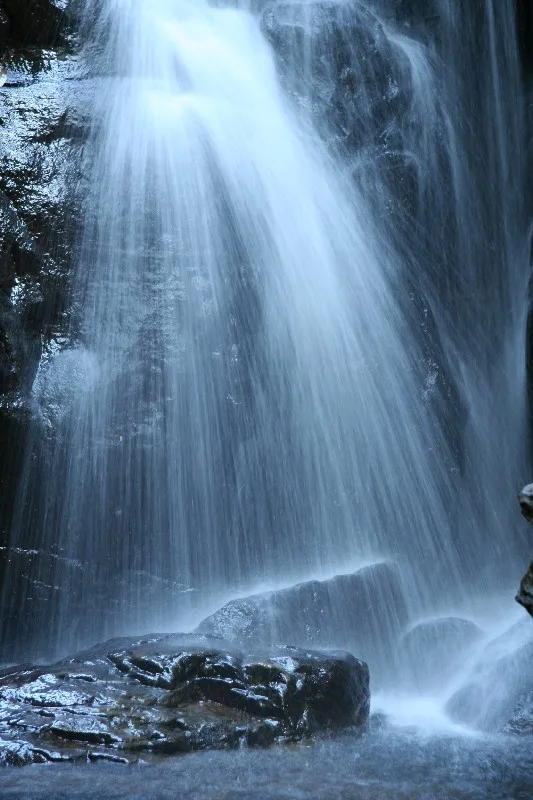
Phu Quoc Stay suggests treating Suoi Tranh as a flexible nature visit rather than expecting its waterfall to match one photograph. Water, paths and outdoor comfort change with actual conditions. A practical plan considers who is joining, where the group can turn back and what happens if the intended part of the visit is unsuitable that day. Those decisions leave space to enjoy trees, sounds and the setting without making the trip depend on reaching one particular viewpoint.
Check current opening and access arrangements, local guidance and weather before leaving for Suoi Tranh. Wear suitable footwear, carry water and keep belongings manageable. Observe path conditions and signs on arrival rather than treating a strong-flowing waterfall photograph as a promise. Agree on a turnaround point and an alternative rest plan, especially for companions who want a shorter or gentler outing.
Consider your actual date rather than a season label
Seasonal information can provide background, but it does not describe one particular travel date. Before setting out, check current weather information and ask the responsible operator which parts of the route are open to visitors. Adjust the purpose early if rain or another change affects the visit. There is no need to reach a specific section merely because a photograph looked impressive online. A suitable nature outing includes the ability to turn back, pause or choose a different activity. This keeps the day useful even when the landscape is quieter or the water differs from the image that first attracted your attention.
Choose the walking section for the people joining
Ask who wants a longer walk, who prefers a short look around and who needs more frequent rests. A nature path may not offer the same surfaces as a town pavement, so one walking pace will not necessarily suit everyone. Agree on a place to reconnect and a point where you will decide whether to continue. Families should make adult responsibility clear rather than allowing photography stops to split the group unexpectedly. Completing less of a route can still be a good outcome when it lets everyone return comfortably. The purpose is to share an appropriate outing, not to prove that all companions can manage identical distances.

A manageable bag makes changing plans easier
Bring water and necessary personal items in a bag that keeps small belongings together. Choose familiar footwear appropriate to the actual surface rather than shoes selected only for photographs. If carrying shared spare items, divide responsibility clearly so one person does not unexpectedly carry the whole group's load. Keep devices in an appropriate compartment and avoid walking while concentrating on a screen. Check both belongings and any waste before leaving a resting point. A bag whose contents are easy to understand is more useful than several small packages nobody remembers putting down. It also makes an early return much simpler when the original plan changes.
- Assign responsibility for water and shared essentials.
- Use appropriate footwear and keep hands available for walking.
- Keep small items together and dispose of waste correctly.
Let local guidance define the visit
Read signs, respect barriers and notice areas where access is restricted. Footprints or a photograph of someone elsewhere do not establish permission to use another section of the landscape. Near water, follow the responsible operator's guidance instead of judging suitability from apparent clarity or a calm-looking image. Ask before continuing when an instruction is unclear. Leave room for others and avoid occupying a narrow passage for a long photographic stop. Respecting the limits of a route helps preserve a comfortable shared visit for people arriving after you as well as for your own group. It is part of experiencing the place, not an obstacle to it.

Keep the rest of the day flexible
After walking, a meal and a quiet break may be more appealing than another attraction. Avoid filling every remaining space merely because several names appear on the island map. For a future stay, consider the journey back, somewhere to deal with belongings and the group's preferred resting rhythm. Phu Quoc Stay currently accepts homeowner registrations and is preparing its accommodation collection. Sample homes do not provide verified addresses, availability or bookable rates. The content helps you prepare practical questions before choosing an actual service. A flexible second half of the day can make the nature visit feel complete rather than just another item to rush through.
Frequently asked questions
Does a strong waterfall photograph describe every visit?
No. A photograph records one moment, while water and path conditions change. Check the current situation before deciding which activities to include.
Is a shorter-than-planned visit a wasted trip?
Not necessarily. A suitable short walk and comfortable rest can be more rewarding than forcing a route beyond the group's preferences or current conditions.
Should I rely entirely on a phone map?
A map helps with the journey, but the visitor route should follow local signs and guidance. Save the useful information before setting out.
A Suoi Tranh visit can be memorable through attention to trees, water and the rhythm of walking together. Modest preparation and permission to change the plan help you enjoy the place that is present rather than chase an imagined scene.
Compare your itinerary with the accommodation area of Duong Dong. You can also explore Phu Quoc apartment layouts to picture the everyday rhythm of a trip.
Visit Phu Quoc — Suối TranhTrung tâm Dự báo khí tượng thủy văn quốc gia
Practical guidance prepared by Phu Quoc Stay; calendar and expense examples are illustrative. External sources describe their own services or information and do not establish Phu Quoc Stay policies.
Facilities, prices and usage conditions must be confirmed for the specific property and dates. Interior photographs are illustrative.