
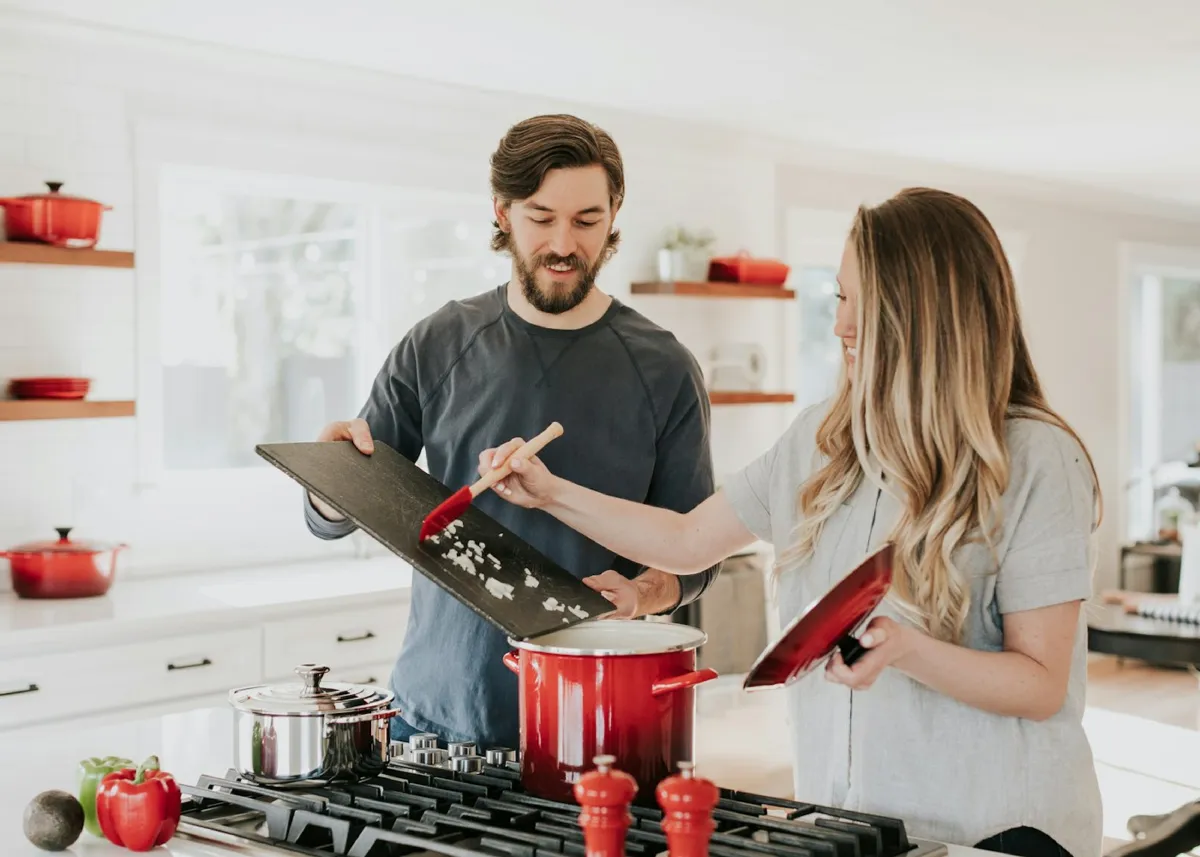
Preparing a few meals can help a family keep familiar routines, but shopping and cleaning also take holiday time. Phu Quoc Stay suggests planning around meals you genuinely want to cook, equipment you may use and the days you will be out. The goal is convenient everyday living, with shared meals that support the trip rather than turning it into a continuous sequence of chores.
Quick answer: Confirm the kitchen and supplied utensils, choose simple dishes, buy for planned meals and share preparation, cooking and cleaning. Check storage and house rules before purchasing food. A kitchen photograph does not prove every appliance is supplied or that every style of cooking is permitted.
Choose the meals before choosing the menu
- Choose meals actually eaten at home and dishes matching supplied equipment.
- Shop from one list with suitable transport and storage.
- Share cooking, cleanup and the handling of remaining food before checkout.
Look at the outing schedule to see when the group will actually be at the accommodation. Breakfast or one light dinner may be enough. Do not shop for every calendar day if most meals will happen elsewhere. Ask about preferences, portions and individual requirements, then choose dishes whose quantities and tasks are easy to adjust. A short agreed menu is usually easier to manage than several competing ideas.
Include preparation and cleanup time, not only the moment everyone sits down. If the party returns late after a full outing, select something requiring fewer steps. A home-cooked meal does not need to become a compulsory achievement. Agree that another meal arrangement can replace it when the actual day is more tiring than expected. That flexibility prevents ingredients from dictating the entire evening.

Check equipment and permitted use
Ask about the cooker, pans, knives, boards, crockery, refrigerator and cleaning supplies relevant to your menu. There is no need to request an inventory unrelated to the dishes you intend to prepare. For unfamiliar equipment, ask for instructions before using it. Do not bring an extra cooking device, alter electrical arrangements or rearrange installations without permission from the accommodation provider.
Read the rules about cooking, odours, waste and shared spaces. If a photograph is unclear, use the guide to room and facility images. Confirmed equipment and actual usage conditions matter more than an appealing kitchen picture. Change a dish if it needs utensils that are not supplied, rather than improvising with objects not intended for that task.
Shop from one short shared list
Divide the list into ingredients for agreed meals, things used immediately and genuinely missing supplies. Check what is already available to avoid duplicates. If several people shop, nominate someone to update the common list. Everyone independently buying a little extra can quickly exceed the group’s needs, particularly on a short stay with limited opportunities to use leftovers before returning home.
Confirm prices and selling units before choosing products, especially where items are sold by weight or portion. Ask what preparation and packaging are included. This guide does not provide a fixed market price list because products and dates differ. Keep appropriate purchase details for shared expense records. A clear account of what was bought helps the group settle costs without relying on memory later.

Include the journey home and available storage
Buy only when you know when you will return and have storage suitable for the products. Avoid attaching purchases that need particular handling to a long sightseeing session without an appropriate arrangement. Ask the seller about product-specific storage, read labels where supplied and choose food that matches the group’s ability to keep and use it. The shopping route belongs in the meal plan too.
Keep food separate from personal belongings during transport. Check the work area, utensils and accommodation instructions before cooking. If a product or appliance requires a method you do not understand, choose a simpler alternative or seek suitable guidance. Do not infer safe equipment operation from appearance alone. A modest menu using familiar methods can be more practical than an ambitious meal with unresolved requirements.
Clean up and think ahead to departure
Assign washing, wiping and waste disposal according to the house rules. Record what remains and who intends to use it before buying more. When settling costs, distinguish shared and individual purchases using the group expense planning guide. The person doing the shopping should not automatically inherit all cooking and cleaning duties unless that is an arrangement everyone has genuinely accepted.
For a mixed group, agree how optional ingredients are handled. Someone who does not join a particular meal should know the proposed sharing method before shopping begins. This is easier than reconstructing every portion afterwards. Keep the approach proportionate: a simple agreed rule often works better than an elaborate spreadsheet that nobody updates while trying to enjoy the holiday.
Before checkout, inspect the refrigerator and unused ingredients. Follow the provider’s instructions rather than leaving food for future guests without agreement or carrying it away under unsuitable conditions. A compact self-catering plan ends with manageable leftovers, fair responsibilities and a kitchen handed back as agreed, while leaving enough time for the holiday itself.
Practical guidance prepared by Phu Quoc Stay; calendar and expense examples are illustrative. External sources describe their own services or information and do not establish Phu Quoc Stay policies.
Facilities, prices and usage conditions must be confirmed for the specific property and dates. Interior photographs are illustrative.